 Critical Safety & Interaction Notes
-
Hypoglycemia Risk: The most significant caution. If you are on diabetes medication (insulin, metformin, sulfonylureas), white mulberry can potentiate their effect, leading to dangerously low blood sugar (hypoglycemia). Medical supervision is essential.
-
Surgery: Discontinue use at least two weeks before any scheduled surgery due to its blood sugar-lowering effects.
-
Kidney Stones: The berries contain oxalates. Those prone to calcium-oxalate kidney stones should consume berries in moderation.
-
Pregnancy/Breastfeeding: Insufficient safety data; best to avoid therapeutic doses.
-
Allergies: Those allergic to figs or birch pollen may cross-react.
The Bottom Line: A Synergistic Functional Food
White mulberry is a prime example of a food-as-medicine plant. Its strength lies in synergy—its multiple compounds work together to regulate metabolism, protect vessels, and reduce inflammation.
Think of it as a powerful dietary adjunct, not a magic bullet. For someone with prediabetes or metabolic syndrome, incorporating mulberry leaf tea could be a game-changing habit. For others, the berries are a delicious, antioxidant-rich superfruit.
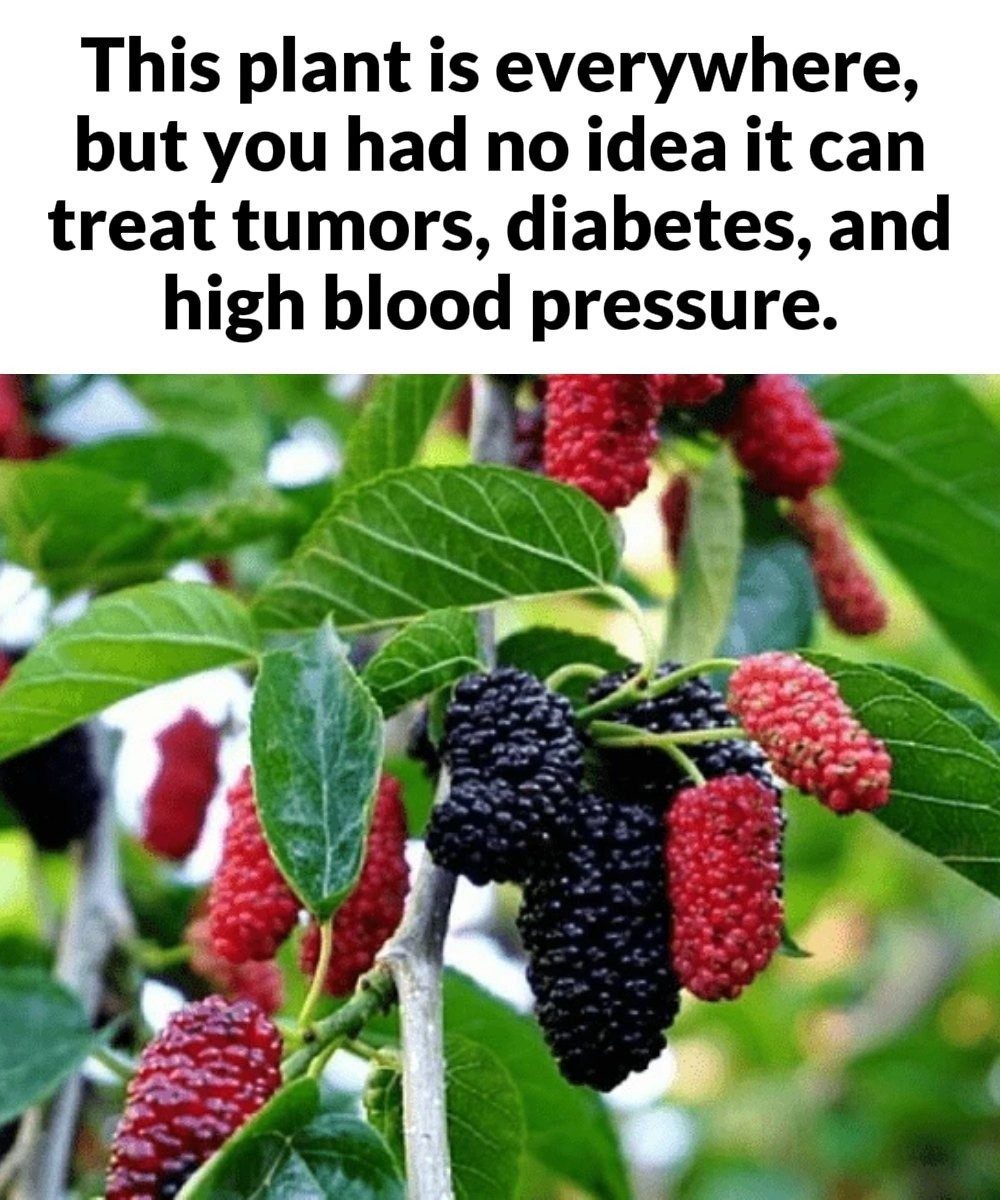
Next time you see a mulberry tree, you’ll see more than just a messy plant. You’ll see a walking pharmacy, offering its leaves and berries to those who know its true value. As always, integrate such powerful botanicals thoughtfully, respecting their potency and consulting with a healthcare provider for personalized guidance, especially if managing a chronic condition.
