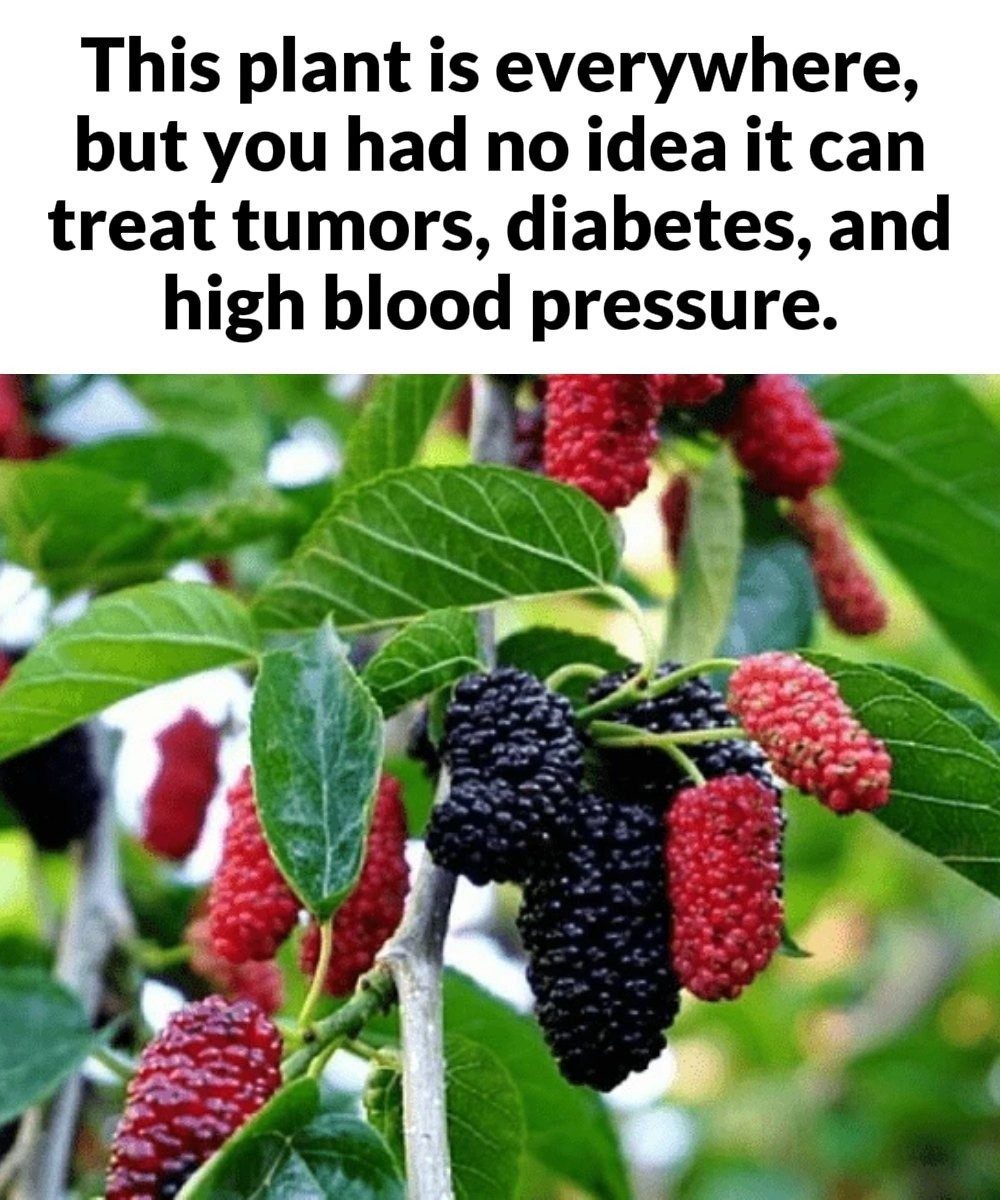
This plant is everywhere, but you had no idea it can treat tumors, diabetes, and high blood pressure
White Mulberry: The Unassuming Super Plant in Your Backyard
You’ve likely walked past it, maybe even cursed it for dropping berries on the sidewalk. The white mulberry tree (Morus alba) is indeed everywhere—hardy, fast-growing, and often overlooked. But hidden within its leaves and sweet-tart berries is a pharmacopeia of compounds with profound implications for metabolic health, cardiovascular function, and even cancer prevention. This is not just folk medicine; a growing body of scientific research is validating what traditional healers have known for centuries.
From Failed Silk Industry to Functional Food Powerhouse
Introduced to North America in the 1600s to feed silkworms, the white mulberry found a permanent home long after the silk industry faded. Its resilience turned it into a common—sometimes invasive—landscape tree. Yet, this very adaptability speaks to its robust biochemical makeup, which we now understand offers significant human health benefits.
The Science-Backed Benefits: More Than Just Hype
1. Master Regulator of Blood Sugar (The Most Robust Benefit)
This is where white mulberry shines. The key compound is 1-deoxynojirimycin (DNJ), found abundantly in the leaves.
-
Mechanism: DNJ is a potent alpha-glucosidase inhibitor. It blocks the enzymes in your small intestine that break down complex carbohydrates into simple sugars. This slows glucose absorption, preventing the sharp post-meal blood sugar spikes that are so damaging over time.
-
The Evidence: Multiple human studies, including randomized controlled trials, show that white mulberry leaf extract significantly lowers postprandial (after-meal) glucose and fasting blood sugar in people with type 2 diabetes and prediabetes.
-
Practical Use: A cup of mulberry leaf tea consumed with a carbohydrate-rich meal can be a powerful dietary strategy for glycemic control.
2. Cardiovascular Guardian
High blood sugar and heart disease are intimately linked. Mulberry addresses several risk factors simultaneously:
-
Cholesterol: Studies indicate it can lower total and LDL (« bad ») cholesterol while raising HDL (« good ») cholesterol.
-
Blood Pressure: Its antioxidant flavonoids (like quercetin) help improve endothelial function, allowing blood vessels to relax and dilate properly.
-
Anti-atherogenic: By reducing oxidative stress and inflammation in arterial walls, it may help prevent plaque formation.
See more on the next page
Advertisement
<
